May Retail
Insights
Consumers now experience stores before they visit them
Consumers increasingly experience retail through content before they experience it in person.
TikTok, Instagram and creator-led discovery are reshaping how people engage with physical spaces – turning stores into visual brand experiences designed to be shared, remembered and talked about.
For years, physical retail was primarily designed around transactions. But increasingly, stores are becoming part of the wider brand and content ecosystem – designed not just to drive sales, but to create visibility, engagement and memorability.
According to VML’s Future 100 Retail Trends report, physical retail is increasingly being viewed as part of a wider storytelling ecosystem, where stores influence brand perception long before a customer enters physically.
The rise of experience-led retail
Consumers are no longer simply looking for products — they are looking for experiences worth engaging with.
Trend Watching notes that immersive retail environments are becoming increasingly important in capturing consumer attention in an oversaturated digital landscape, particularly as younger consumers increasingly blend social discovery, creator content, online research and physical retail experiences into one connected journey.
At the same time, research highlighted by Net Choice in 2026 found that 81% of consumers are willing to spend more for immersive retail experiences reinforcing how expectations around physical retail continue to evolve.
This shift is particularly visible across consumer electronics, sports, fashion and lifestyle retail, where stores are increasingly expected to feel engaging, culturally relevant and socially shareable rather than simply transactional.
Retail brands responding to the shift
Swatch: Retail as cultural participation
Retail brands are increasingly designing launches and environments around participation, exclusivity and social engagement.
Swatch’s latest collaboration launches in 2026 created large physical queues, viral social content and high levels of online discussion — demonstrating how stores are increasingly becoming part of wider cultural and digital conversations rather than simply places to purchase products.
Reuters recently described the strategy as part of “Gen Z drop culture”, highlighting how younger consumers increasingly value participation, exclusivity and shareable retail moments alongside the product itself.
Find out more: Reuters
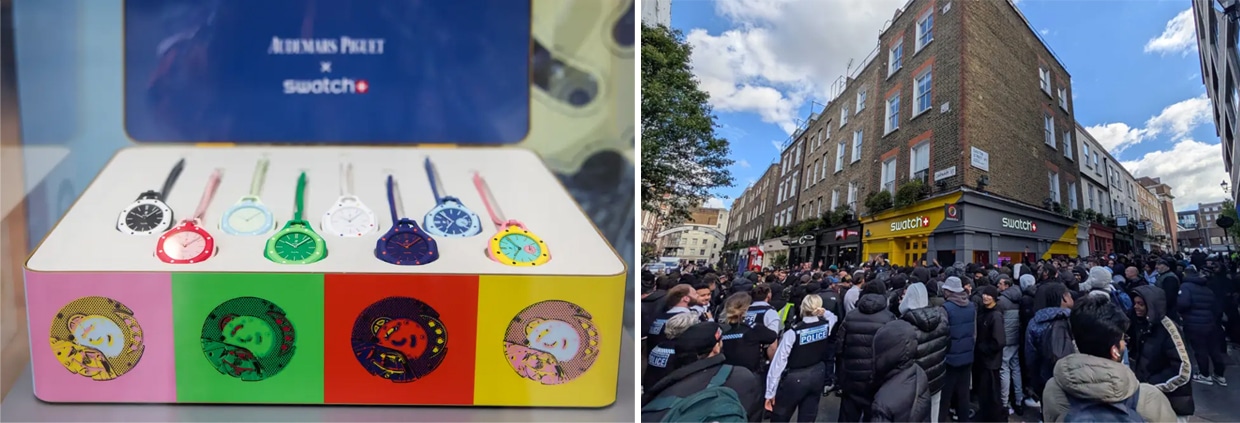
Left Image sourced from: Business Insider
Right Image sourced from: Stuff.tv
Claire’s: Designing stores for social-first generations post-bankruptcy reset
Retailers targeting Gen Alpha and younger consumers are increasingly investing in environments designed around interaction, participation and repeat engagement.
Claire’s recent “Summer Sensory Shop” activation focused on immersive retail, creator-style interaction and sensory experiences designed to encourage both social engagement and repeat visits.
Axios described the approach as helping create a “closed-loop ecosystem” connecting stores, engagement and repeat interaction — reflecting how retail environments are increasingly being designed as ongoing engagement platforms rather than standalone shopping experiences.
Find out more: Axios.com
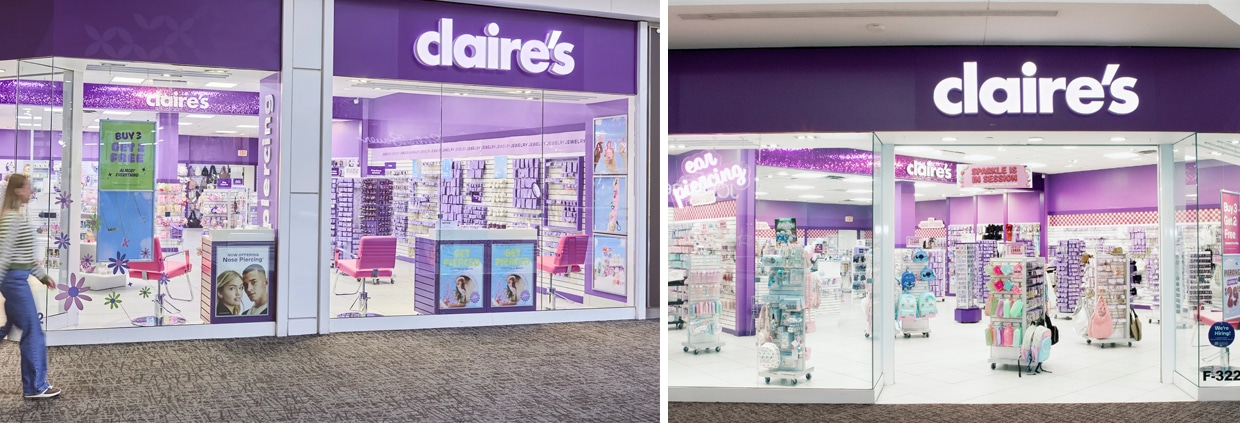
Left Image sourced from: Courtesy of Claire’s via Axios
Right Image sourced from: The Industry.fashion
Diesel: Building retail around identity, culture and participation
Fashion and lifestyle brands are increasingly designing retail experiences around identity, emotion and cultural participation rather than simply product display. Diesel has become one of the strongest recent examples of this shift, continuing to position itself around Gen Z audiences through community, self-expression, entertainment and immersive brand storytelling.
In 2026, Diesel’s Fall/Winter runway show featured a dramatic archive-inspired set built using more than 50,000 pieces of Diesel memorabilia collected from across the brand’s history – transforming the space into a large-scale visual experience designed to generate conversation, content and cultural engagement. The set itself became a major talking point across social media and fashion press coverage.
At the same time, Diesel has continued leaning into unexpected collaborations and culturally driven campaigns, including recent Tinder collaboration activity designed to further strengthen the brand’s connection with younger audiences and digital-first culture.
The wider strategy reflects how fashion brands are increasingly moving beyond purely transactional retail environments and instead creating immersive brand worlds designed around culture, community and participation. Retail spaces are increasingly being used to create socially shareable moments, strengthen emotional connection and keep brands culturally relevant within fast-moving digital and social conversations.
The Guardian recently highlighted that Gen Z consumers aged 16–25 now account for 36% of Diesel sales – reinforcing how younger audiences increasingly expect retail experiences to feel visually engaging, culturally connected and emotionally relevant.
Explore Diesel FW26 runway show Diesel Fall/Winter 2026 runway show
View Diesel FW26 archive installation imagery Diesel FW26 archive installation Instagram reel
Read Diesel’s Gen Z brand strategy coverage The Guardian – Diesel connects with Gen Z consumers
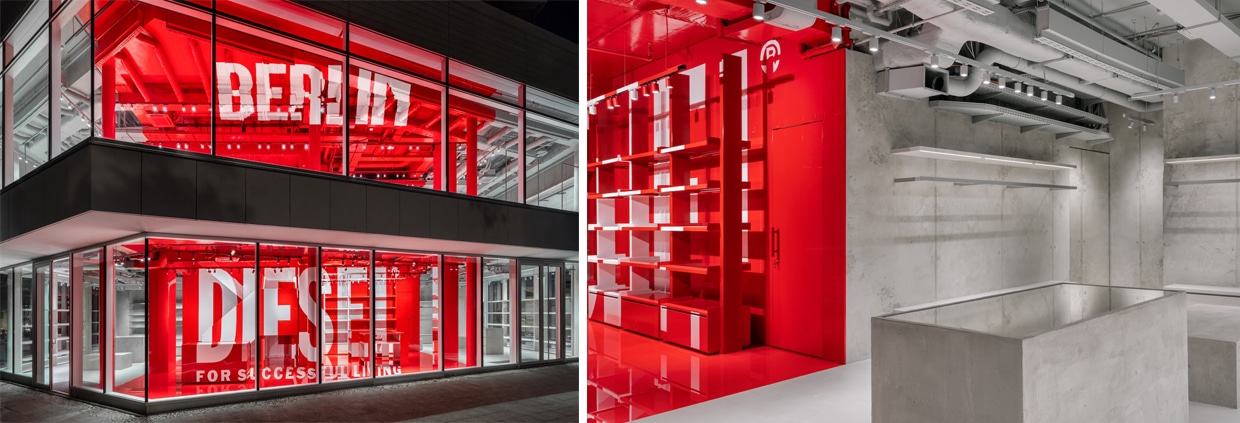
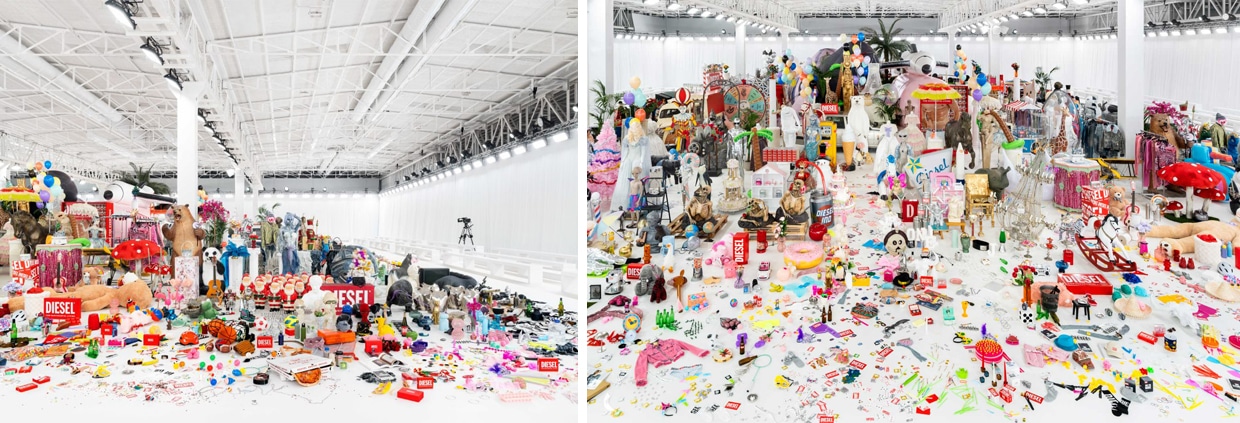
Top Images sourced from: Diesel.com
Bottom Images sourced from: Schon – Berlin flagship
Why operational execution matters more than ever
As retail environments become more visible extensions of brand identity, operational execution becomes commercially critical.
When displays become damaged, graphics become outdated or retail environments lose consistency, consumers increasingly notice – particularly as stores become more visible through social content and customer sharing.
This is driving increased investment into faster retail updates, rollout coordination, maintenance support and centrally managed retail solutions designed to improve consistency across evolving retail estates.
Increasingly, physical retail is no longer just operational – it is part of the wider customer experience and marketing ecosystem.
Need extra support in-store?
From rollouts and updates to ongoing maintenance, we help retail teams manage fast-moving retail environments more efficiently. Discuss your latest retail project!
Retail support designed for evolving retail environments
We help retail teams with:
- Fast retail rollouts & updates
- Consistent installations at scale
- Reactive & proactive maintenance
- Global retail support
- One point of contact