


October Retail
Insights
Retail in 2027: The Brands Responding to What Consumers Want
Emerging consumer trends. Pioneering brand experiences. Practical inspiration for your retail estate.
What will make people choose to visit a store, engage with a brand and spend time exploring its products?
The evidence suggests the physical retail experience still matters. CBRE’s 2026 UK Retail Generational Survey found that 34% of consumers care about store aesthetics, while 29% value in-store events. Meanwhile, NielsenIQ’s Consumer Tech Trends 2027 research found that 75% of consumer technology shoppers surveyed are influenced by clear information about product features and performance when making purchase decisions.
Together, these findings point to an opportunity for retailers: create environments that do more than display products. Help people discover, understand and connect with what your brand offers.
So how are pioneering brands responding?
We’ve explored four examples, from Nike’s connection with local football culture to John Lewis’s customer-led shopping experience, Google Pixel’s immersive approach to technology and Coach’s playful take on personalisation. Each offers a different perspective on how brands can respond to changing expectations.
They aren’t blueprints every retailer should copy. Instead, they offer inspiration and practical questions to help you decide where to focus as you plan your retail estate for 2027.
1.Make the experience more than a display
The shift: from showcasing products to creating reasons to engage
As products become more sophisticated and consumer choices grow, simply putting a product on display may not be enough. Customers need to understand what makes it different, how it works and why it is relevant to them.
For brands, this creates an opportunity to think beyond visibility. How can a retail display help customers explore features, compare products, understand benefits or experience a product in action?
Brand pioneer: Nike brings football culture to life across global retail
Nike is taking football beyond the product display, creating immersive retail experiences that connect the brand with local football communities. Across cities including Los Angeles, Dallas, Portland and London, its activations bring together product discovery, personalisation, interactive experiences and local football culture, with each location offering its own take on the game.
From dedicated spaces to test products to experiences shaped around local fans, the approach demonstrates how a global brand can maintain a consistent identity while making retail feel relevant to the community around it.
Explore Nike’s immersive football retail experiences
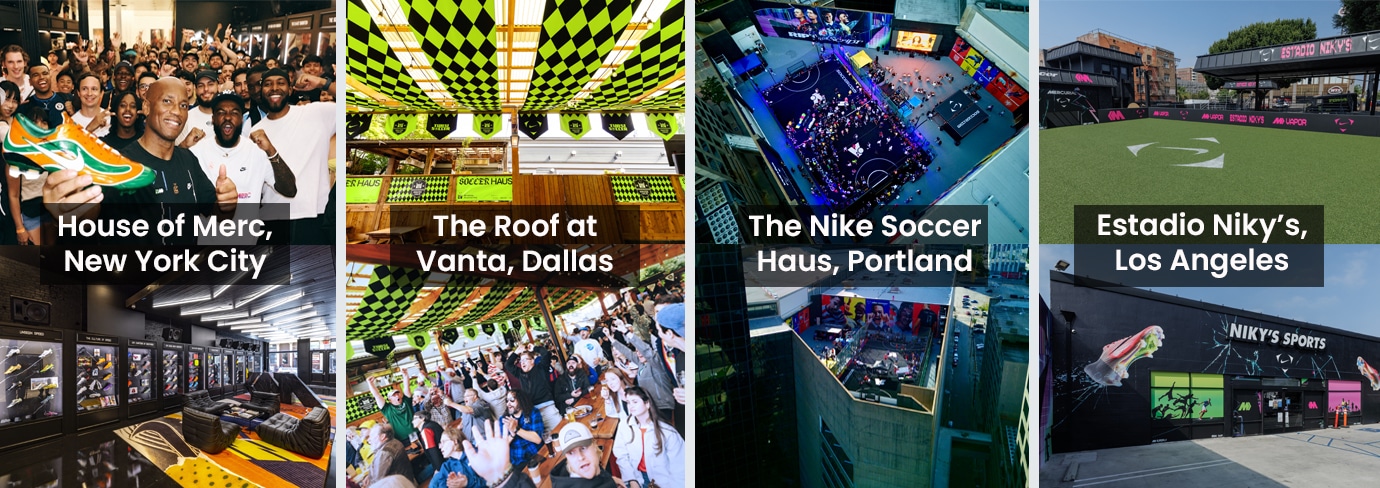
Image Courtesy of Nike
What brands can learn
A consistent global brand experience doesn’t have to mean identical experiences everywhere. Adapting retail activations to local audiences can help brands connect their products with the interests, passions and culture of the people they want to reach.
What this means for your 2027 retail estate
- Think globally, act locally: Consider how a consistent brand identity can be adapted to suit different markets, locations and customer communities.
- Create reasons to engage: Explore how product demonstrations, personalisation and interactive experiences could make displays more engaging.
- Plan for flexibility: Consider how display systems and assets could accommodate local campaigns and changing product priorities without starting from scratch each time.
2.Design around what customers want to achieve
The shift: from product categories to connected experiences
Consumers do not always think in the categories used by retailers. They may be looking to get fitter, improve their home, save energy or make everyday tasks easier.
Mintel’s Global Consumer Predictions 2027 identifies a shift from individual products towards connected systems of products, services and experiences that help people achieve a wider goal.
For retail brands, this raises an important question: does your store experience reflect how customers actually shop, or does it simply reflect how your products are organised internally?
Brand pioneer: John Lewis brings sports and wellness together
John Lewis introduced a Sports & Wellness concept in 2026, bringing sportswear, footwear, wearable technology, recovery products and expert services together in one destination.
By organising products around activities and customer goals, the concept offers shoppers a more connected way to explore the products and services that support their fitness journeys.
Explore the John Lewis Sports & Wellness concept
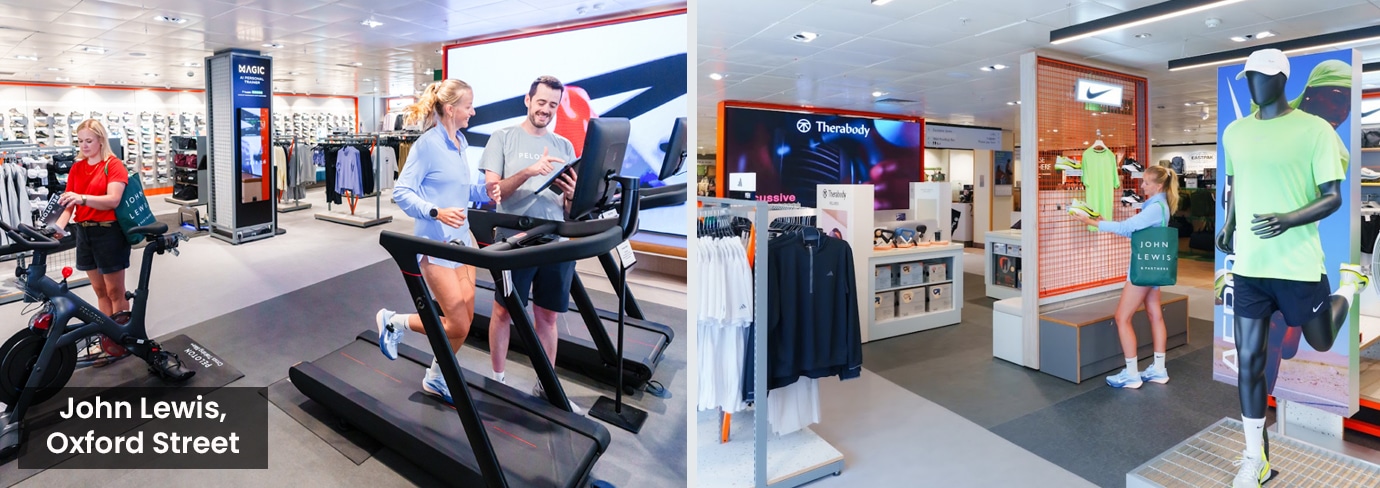
Image Courtesy of John Lewis
What brands can learn
A more useful retail experience can start with the customer’s objective, rather than the product itself. For consumer technology, home appliances and sports brands, that could mean showing how products work together, making comparisons easier or helping shoppers understand which solution best fits their needs.
What this means for your 2027 retail estate
- Think beyond individual products: Consider how displays could communicate connected products, complementary accessories or complete solutions.
- Make navigation easier: Review whether product groupings and display layouts reflect how customers shop and what they want to achieve.
- Keep the experience relevant: Plan updates around changing customer needs, product ranges and shopping behaviours.
3. Make innovation easier to understand
The shift: From more features to clearer benefits
Technology is advancing rapidly, but new features only matter when customers can understand what they do and how they could improve everyday life. For brands, the challenge is turning complex innovation into something people can see, experience and relate to.
Brand Pioneer: Google Pixel brings AI to life
In Madrid, Google Pixel 10 was showcased through The Cube, an immersive experience created with agency Dalziel & Pow. Visitors stepped into a space surrounded by LED screens and immersive sound, exploring the phone’s camera capabilities and AI-powered image creation in a more experiential way.
Rather than relying on product specifications alone, the experience invited visitors to explore what the technology could make possible.
Explore the Google Pixel 10 experience
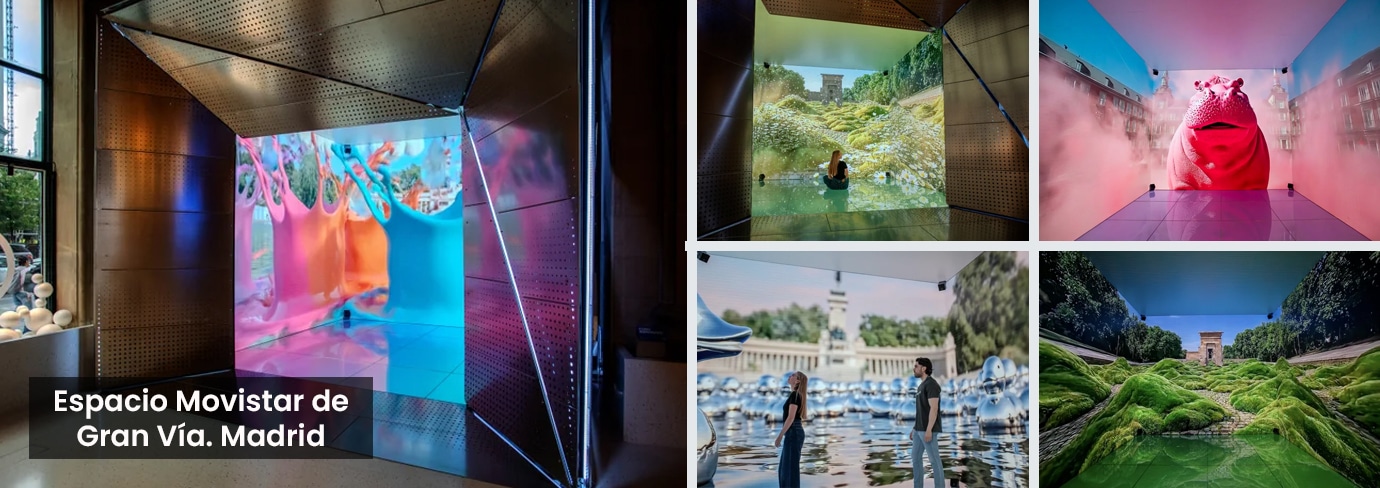
Image Courtesy of Dalziel & Pow
What brands can learn
New technology can be difficult to communicate through features and technical specifications alone. Demonstrations and engaging product storytelling can help make innovation more tangible and relevant to customers.
What this means for your 2027 retail estate
- Make innovation accessible: Ensure displays clearly communicate key product benefits and help customers compare options.
- Bring products to life: Consider where demonstrations or interactive elements could help customers experience unfamiliar technology.
- Maintain performance: Keep display technology, product information and interactive elements accurate, functional and up to date.
4.Make retail an experience, not just a place to shop
The shift: From browsing products to creating experiences
Consumers increasingly expect more from physical retail than simply seeing products on a shelf. They want experiences that engage them, reflect their interests and give them opportunities to express their individuality. For brands, this creates an opportunity to turn stores and displays into destinations that people want to explore, interact with and share.
Brand pioneer: Coach brings playfulness into retail
In April 2026, Coach transformed Selfridges’ Corner Shop in London into the Coach Charm Playground, an immersive pop-up built around creativity, personalisation and self-expression.
The experience featured a giant Rexy dinosaur installation turned into a slide, an apple-shaped photo booth and an oversized Tabby handbag that doubled as an interactive display and monogramming station. Visitors could also personalise their bags with charms and bespoke designs.
Rather than simply showcasing its products, Coach created an experience that invited people to take part, have fun and connect with the brand in a more personal way.
Explore the Coach Charm Playground at Selfridges
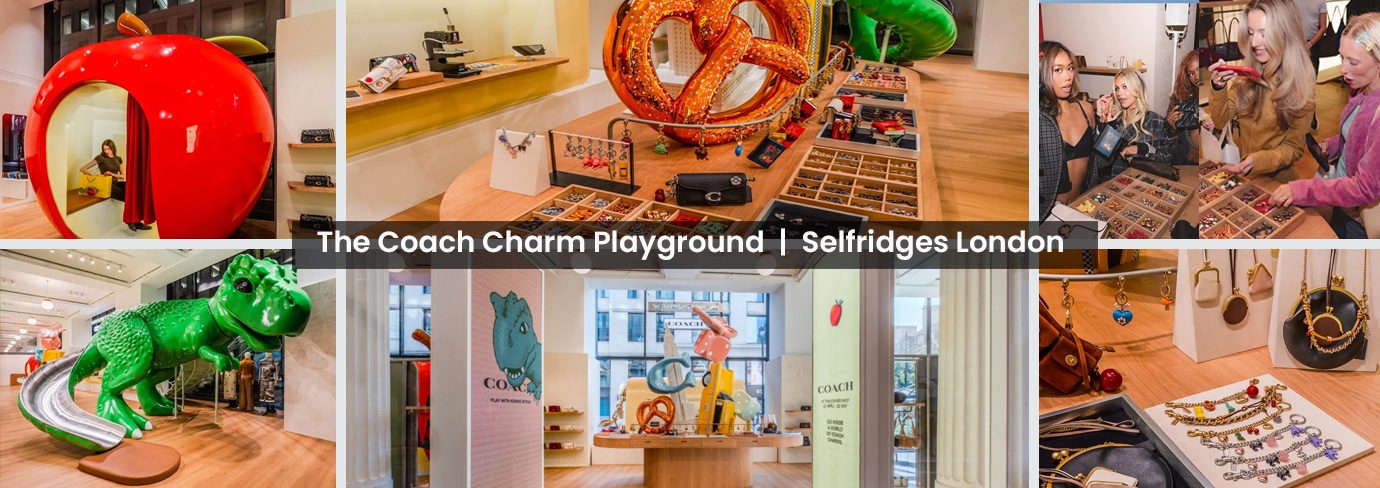
Image Courtesy of Coach
What brands can learn
Coach demonstrates how distinctive visual merchandising, interactive features and personalisation can work together to make a brand experience more memorable. The products remain central, but the surrounding experience gives customers more reasons to engage with them.
What this means for your 2027 retail estate
- Give customers a reason to engage: Consider how interactive displays, product demonstrations or personalisation could turn passive browsing into active participation.
- Make your brand tangible: Use distinctive installations and visual storytelling to bring brand identity to life in physical retail environments.
- Design for change: Plan display systems and installations that can be updated, adapted or reconfigured as campaigns, products and consumer expectations evolve.
What should retailers focus on in 2027?
Consumer expectations are changing, but the opportunity isn’t simply to make retail more elaborate. It’s to make every element of the experience work harder for your customers and your brand.
The research points to the importance of engaging store environments and clear product information. The brands we’ve explored show different ways of putting those principles into practice.
As you plan your retail estate for 2027, consider four priorities:
- Refresh what customers see: Review whether your displays reflect your brand today, communicate product benefits clearly and give customers a reason to engage.
- Keep every experience working: Make sure displays, fixtures and interactive elements remain functional, accurate and consistent across your estate.
- Make more of existing assets: Identify what can be updated, adapted or redeployed before committing to replacement, helping you get more from your investment.
- Invest where it matters most: Prioritise new displays, demonstrations and interactive experiences where they support your brand objectives and address a genuine customer need.
The right partner can help turn insight into action
Knowing where to focus is the first step. Delivering consistently across locations and markets takes experience, coordination and the right operational support.
100 Percent Group is an award winning global retail agency supporting brands across the retail display lifecycle, from production and installation to maintenance and removal.
Whether you’re planning a new rollout, refreshing existing displays or improving the performance of your retail estate, we can help you put the right plans into practice.
Planning your retail estate for 2027? Speak to our team →
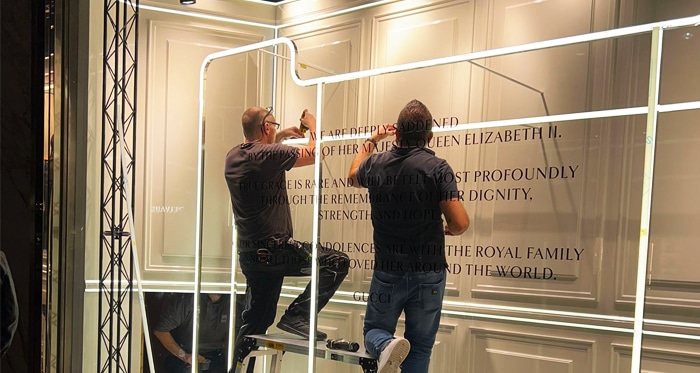 Installing without boundaries.
 Discuss your latest retail project