 Global Retail Display Solutions: FAQ’s for Brands Rolling Out at Scale
5 February 2026
Read more


Retail campaigns are expected to move quickly, across multiple stores, formats and often multiple countries at once.
But speed without structure creates pressure.
Rushed installs, inconsistent standards and reactive fixes can quickly erode brand impact and inflate costs.
Below are the most common questions brands ask when trying to accelerate retail launches and how to move at pace without compromising control, compliance or consistency.
How can we accelerate a retail launch without creating problems later?
Speed starts with planning, not installation.
The brands that move fastest involve their delivery partner early during scoping, scheduling and logistical planning. This removes bottlenecks before work goes live.
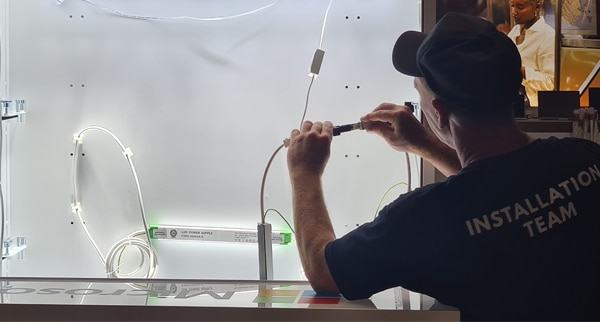
By combining central project management with trained local teams, launches can be activated quickly while protecting brand standards and store compliance from day one.
How do we avoid “fixing it later” after launch?
Post-launch rework is usually the result of late planning or fragmented supplier management.
Working with one centrally managed partner ensures:
This structure reduces snagging and prevents brand drift across store estates.
How can one partner move quickly across multiple countries?
Speed at scale relies on infrastructure.
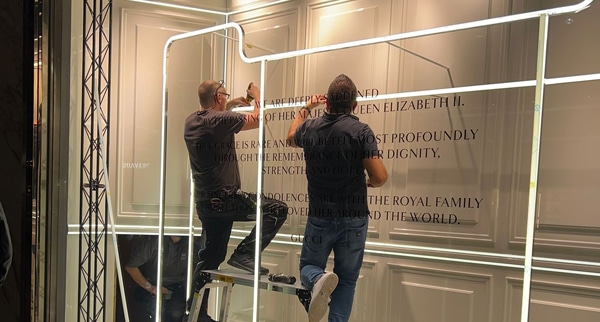
With strategic in-country partners, regional project management hubs and local warehousing, installations can be delivered simultaneously across markets, without sacrificing compliance or quality.
Local expertise ensures retailer rules, store access and health & safety requirements are managed efficiently, while central oversight protects consistency.
What happens if something changes mid-launch?
Retail rarely stands still.
A robust speed-to-market model includes rapid reactive capability supported by:
This allows adjustments, updates and fixes to be managed quickly, without escalating into larger operational issues.
How do we maintain brand consistency at speed?
Brand consistency depends on visibility.
A central platform that tracks progress, status and reporting across markets gives teams confidence that what was signed off is what’s live in-store.
Data, live reporting and structured feedback loops ensure every location meets brand guidelines even when timelines are tight.
How do we keep control of cost while moving quickly?
Speed doesn’t have to increase cost, if managed correctly.
Predictable pricing models, consolidated supplier management and efficient logistics reduce duplication and unnecessary spend.
Central scope control prevents late-stage changes from creating financial pressure, while local execution avoids expensive rework.
Can installation, updates and maintenance be managed together?
Yes — and it should be.
Managing retail display installation, maintenance and updates through one partner simplifies operations and protects long-term performance.
Instead of juggling multiple suppliers, brands gain:
This approach reduces operational burden and supports sustainable speed to market.
How does the right partner reduce internal pressure?
When timelines are tight, teams don’t need more suppliers – they need support.
Acting as an extension of your team means:
This frees marketing and procurement teams to focus on strategy rather than firefighting.
Conclusion: Speed Is Built, Not Rushed
Speed to market is no longer a differentiator, it’s the baseline expectation.
What separates successful retail launches from stressful ones is structure.
With the right Retail Display Solutions partner, brands can plan precisely, deliver seamlessly and improve continuously, combining central control with local expertise across every market.
If you’re preparing for a retail launch, update or refresh under time pressure, the right structure makes all the difference.
Speak to our team about accelerating your next launch